Introduction to Interstellar Chemistry
As of 2026, the field of interstellar chemistry is experiencing unprecedented growth, driven by advancements in observational techniques and theoretical modeling. Scientists are delving into the molecular compositions of space, offering insights that could redefine our understanding of the origins of life and the universe itself.
The Significance of Interstellar Molecules
Interstellar molecules hold immense significance for various reasons:
- Understanding Origin of Life: By studying the complex molecules in space, researchers aim to uncover the building blocks of life.
- Insight into Cosmic Events: Molecular formations provide clues about cosmic events such as supernovae and the birth of stars.
- Formation of Planetary Systems: The composition of interstellar dust and gas plays a critical role in the formation of planets and their atmospheres.
Recent Discoveries in Interstellar Chemistry
1. Detection of Amino Acids
In recent years, astronomers have detected amino acids in various interstellar environments. These essential building blocks of life were found in the vicinity of star-forming regions, suggesting that the ingredients for life may be more widespread than previously thought.
2. Complex Organic Molecules
The discovery of complex organic molecules, such as polycyclic aromatic hydrocarbons (PAHs), in the interstellar medium has opened new avenues for research. These molecules are believed to play a significant role in the formation of more complex structures, potentially leading to life. Also read: WAK89 for more insights.
3. Reactions Under Extreme Conditions
Recent experiments have simulated the extreme conditions of space environments, leading to the synthesis of new molecules. These studies help scientists understand how organic molecules can form under varying temperatures and pressures in space.
The Role of Advanced Technologies
Advancements in technology have been pivotal in interstellar chemistry:
- Telescopic Innovations: Ground-based and space telescopes equipped with advanced spectrometers allow scientists to detect and analyze the spectral signatures of molecules in distant star systems.
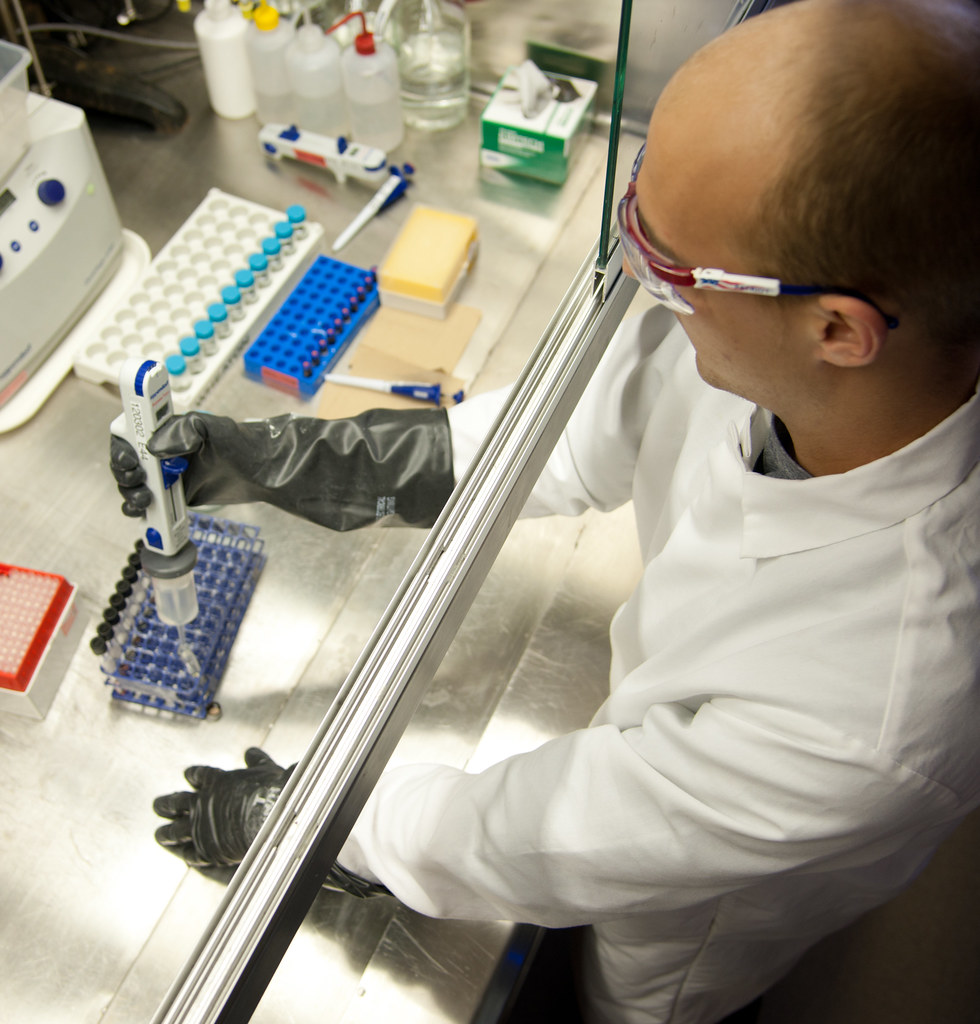
- Astrobiological Experiments: Laboratory simulations of space conditions provide crucial insights into the chemical processes that can lead to the formation of complex organic compounds.
- AI in Molecular Detection: Artificial intelligence and machine learning are increasingly being utilized to analyze vast datasets from astronomical surveys, enabling the identification of molecular signatures that were previously overlooked.
Future Directions in Interstellar Chemistry
Looking ahead, several key areas are likely to shape the future of interstellar chemistry:
- Exploration of Exoplanetary Atmospheres: Investigating the atmospheres of exoplanets for the presence of biomolecules will be a major focus. Technologies like the James Webb Space Telescope (JWST) will be essential for this research.
- Understanding Molecular Interactions: Future studies will focus on how different molecules interact in space, particularly under the influence of cosmic radiation and extreme temperatures.
- Collaboration Across Disciplines: The intersection of chemistry, physics, and biology will be crucial in advancing our understanding of how molecular structures contribute to the potential for life beyond Earth.
Conclusion
The exploration of interstellar chemistry is not merely an academic pursuit; it is a fundamental effort to comprehend our origins and our place in the cosmos. As we continue to unveil the mysteries of molecular structures in space, the implications for our understanding of life and the universe are profound. With ongoing advancements in technology and collaborative research efforts, the future of interstellar chemistry looks brighter than ever.