The Science Behind Climate Change
Climate change is no longer a distant threat; it is a reality that we must confront head-on. With the world facing unprecedented shifts in weather patterns, rising sea levels, and increasing natural disasters, understanding the science behind climate change is crucial. Scientific research has provided us with a clear picture of how greenhouse gases contribute to global warming and climate instability.
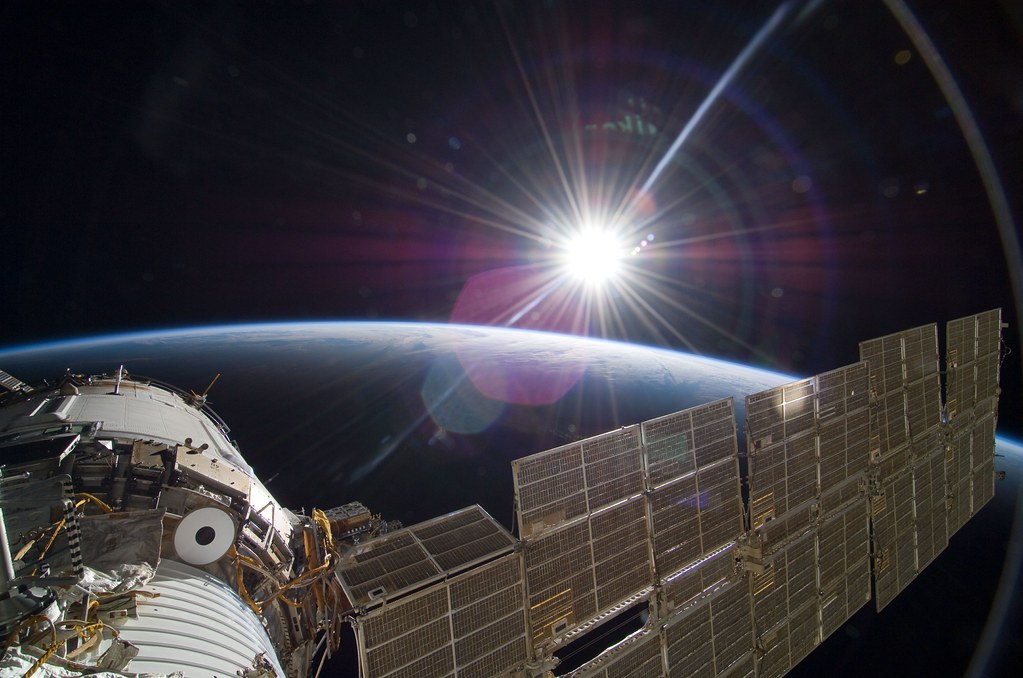
Understanding Greenhouse Gas Emissions
Greenhouse gases such as carbon dioxide, methane, and nitrous oxide trap heat in the atmosphere, leading to a rise in global temperatures. The primary sources of these emissions include:
- Fossil Fuels: The burning of coal, oil, and natural gas for energy is the largest contributor to greenhouse gas emissions.
- Agriculture: Methane emissions from livestock and nitrous oxide from fertilizers play significant roles in climate change.
- Deforestation: Trees absorb carbon dioxide; thus, deforestation releases stored carbon and diminishes nature’s ability to absorb carbon in the future.
Innovative Solutions from the Scientific Community
As we move through 2026, scientists worldwide are advancing innovative solutions to combat climate change. Here are some key developments that hold promise for mitigating its effects:
1. Renewable Energy Technologies
The transition to renewable energy sources is crucial for reducing carbon emissions. Innovations in this sector include:
- Solar Power: Advances in solar panel efficiency and energy storage systems are making solar energy more accessible and effective.
- Wind Energy: Offshore and onshore wind farms are becoming more efficient, thanks to new turbine designs and materials.
- Hydrogen Fuel Cells: Green hydrogen, produced using renewable energy, is gaining traction as a clean alternative to fossil fuels.
2. Carbon Capture and Storage (CCS)
CCS technologies are designed to capture carbon dioxide emissions from sources like power plants and store it underground to prevent it from entering the atmosphere. Recent advancements in this field have made capturing and utilizing CO2 more viable, with new methods being deployed at an industrial scale.
3. Sustainable Agriculture Practices
Agricultural practices are evolving to reduce emissions and enhance sustainability:
- No-Till Farming: This practice improves soil health and reduces carbon emissions from disturbed soil.
- Agroforestry: Integrating trees into agricultural systems can enhance carbon sequestration and biodiversity.
- Precision Agriculture: Utilizing technology to optimize farming practices can minimize waste and reduce the carbon footprint of farming activities.
The Importance of Scientific Collaboration
Addressing climate change requires collaboration across multiple disciplines. Scientists, policymakers, and communities must work together to implement effective strategies. International agreements like the Paris Agreement are pivotal in uniting countries toward common climate goals and ensuring that scientific research informs policy decisions.
Citizen Science Initiatives
Citizen science has become an important aspect of climate research, enabling communities to contribute to data collection and analysis. Initiatives that engage the public in monitoring local climate impacts foster awareness and empower individuals to take action.
Future Prospects and Challenges
While significant progress has been made, challenges remain. The urgency of climate change calls for continued investment in scientific research and innovation. To ensure a sustainable future, we must:
- Increase funding: Supporting scientific research is crucial for developing new technologies and solutions.
- Enhance education: Promoting climate literacy will empower individuals to make informed decisions.
- Advocate for policies: Effective climate policies need to be enacted and upheld to facilitate change on a global scale.
Conclusion
As we navigate the complexities of climate change, the role of science will be paramount. By investing in research, fostering collaboration, and embracing innovation, we can pave the way for a sustainable future. The advancements made in 2026 reflect the commitment of the scientific community to address one of the most pressing challenges of our time.