Introduction to Citizen Science
Citizen science is rapidly transforming the scientific landscape, inviting non-professionals to participate in research that was once the exclusive domain of trained scientists. As of 2026, this movement shows no signs of slowing down, empowering communities to engage directly with scientific inquiry and contributing significantly to various fields.
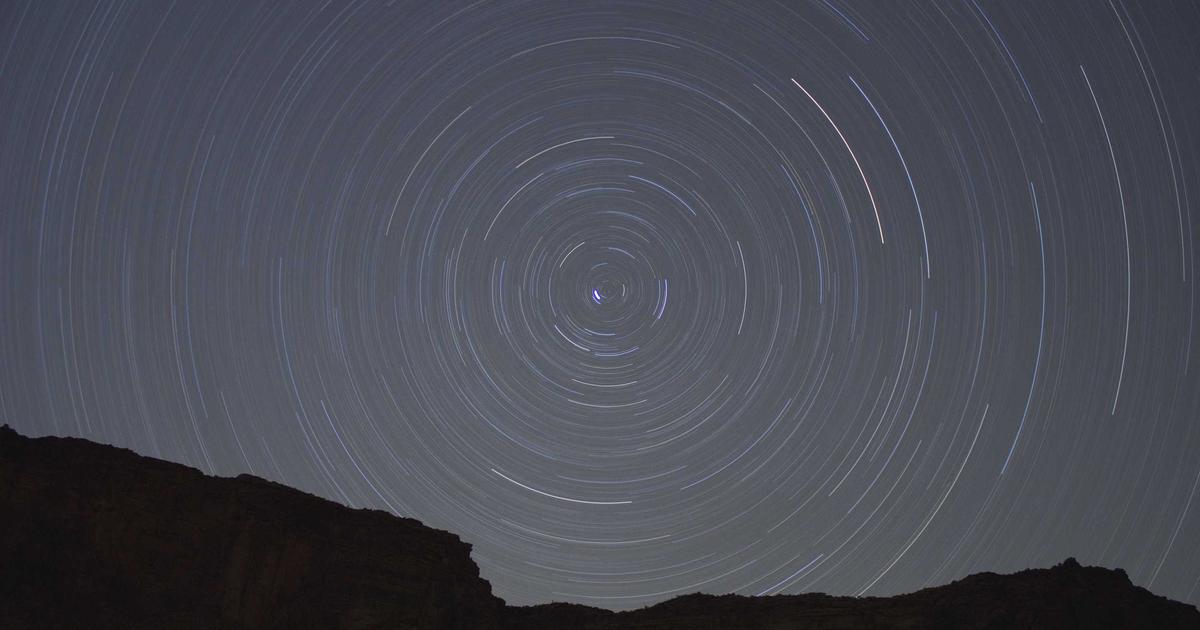
The Evolution of Citizen Science
Historically, citizen science began as simple observational tasks, such as bird watching and weather tracking. However, advancements in technology and communication have expanded its scope tremendously. Today, it encompasses complex projects that range from environmental monitoring to astronomical research.
Technological Influences
- Smartphones and Applications: The proliferation of smartphones has enabled citizens to collect, analyze, and share data easily. Apps like iNaturalist and Zooniverse provide platforms for volunteers to contribute actively to research projects.
- Data Collection Tools: Technologies such as drones and remote sensors are now accessible to the general public, allowing amateurs to gather quality data for scientific studies.
Impact on Scientific Research
The integration of citizen scientists into research projects has led to substantial benefits:
- Data Collection at Scale: Citizen scientists can cover vast areas and collect data over a longer time frame, providing large datasets that would be labor-intensive or costly for professional researchers to gather alone.
- Diverse Perspectives: Non-professionals bring unique insights and fresh perspectives that can enhance scientific inquiry. Their local knowledge often contributes to better understanding of specific ecological or societal issues.
Case Studies
Several prominent projects illustrate the positive outcomes of citizen science:
- eBird: This global bird monitoring project has mobilized over a million participants to contribute avian observations, significantly aiding ornithological research and conservation efforts.
- Galaxy Zoo: By crowdsourcing the classification of galaxies, this project has enabled amateur astronomers to assist in major astronomical discoveries, such as the identification of new galaxy structures.
Challenges and Considerations
While the potential of citizen science is immense, several challenges must be addressed:
- Data Quality: Ensuring the reliability and accuracy of data collected by non-professionals remains a key challenge. Researchers must implement rigorous training and validation processes to maintain quality standards.
- Ethical Concerns: Privacy issues can arise when participants collect data that might involve sensitive information about individuals or communities. Ethical guidelines must be established to protect all parties involved.
The Future of Citizen Science
Looking forward, the future of citizen science appears bright:
- Increased Collaboration: Future projects will likely see even greater collaboration between professionals and citizens, fostering a community of shared learning and discovery.
- Focus on Education: Citizen science can serve educational purposes, inspiring the next generation of scientists and encouraging critical thinking and problem-solving skills.
Conclusion
As we navigate the scientific challenges of the 21st century, the rise of citizen science stands as a testament to the power of community engagement. By harnessing the collective knowledge and enthusiasm of everyday people, we can drive scientific advancements and foster a deeper understanding of our world.