Understanding Environmental Science in 2026
As we find ourselves in the year 2026, environmental science continues to play a pivotal role in addressing the pressing challenges our planet faces. From climate change to biodiversity loss, the innovations within this field are not only crucial for understanding ecosystems but also for developing sustainable solutions that can help mitigate human impact. In this article, we will explore the latest advancements in environmental science and their implications for the future.
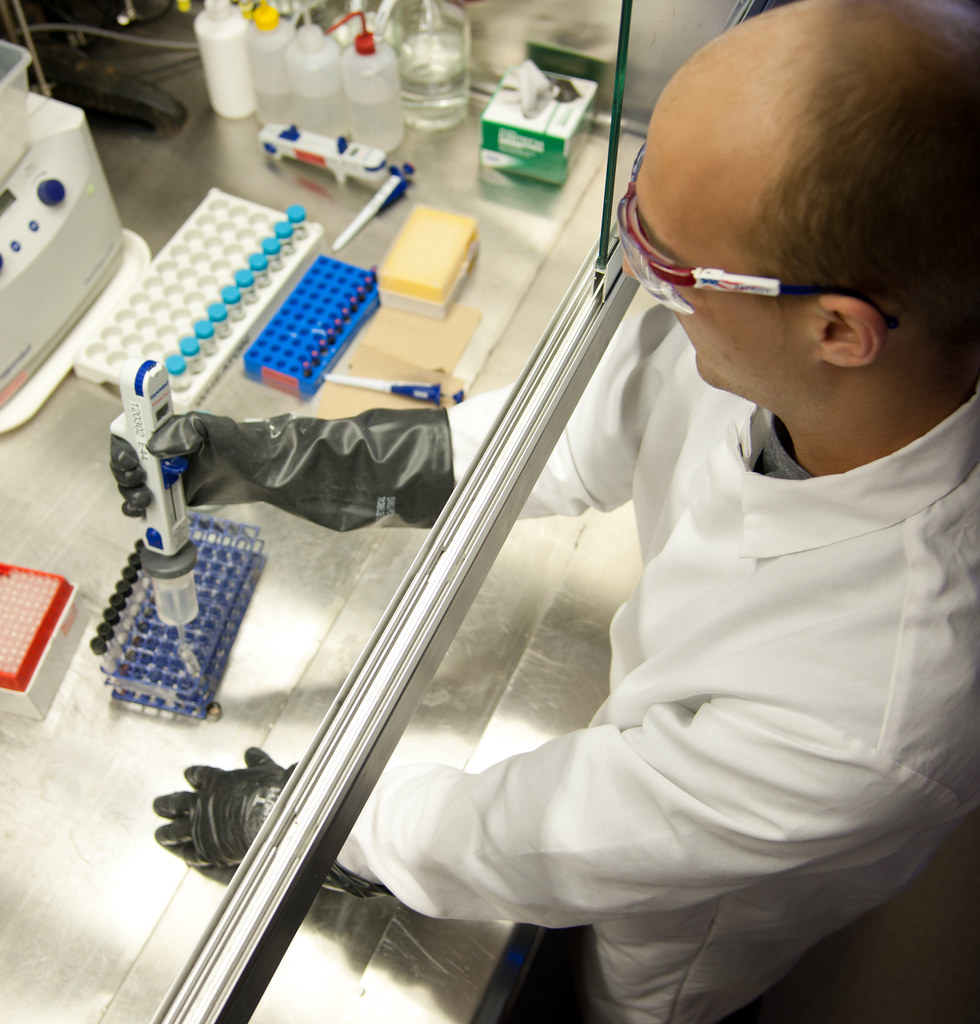
Emerging Technologies in Environmental Monitoring
The advent of technologies like AI and IoT has dramatically transformed the landscape of environmental monitoring. In 2026, the following technologies are making significant strides:
- Remote Sensing: Utilizing satellite imagery and drones, researchers can gather data on land use, deforestation rates, and wildlife populations more efficiently than ever.
- IoT Sensors: These devices are deployed in various ecosystems to track air quality, water pollution, and soil health in real-time, providing valuable data for research and policy-making.
- Big Data Analytics: With the capacity to process vast amounts of environmental data, researchers can identify patterns and predict future changes, aiding in the development of proactive strategies.
Climate Change Adaptation Strategies
As climate change continues to pose a significant threat, environmental scientists are focusing on innovative adaptation strategies to help communities cope. Some notable strategies include:
- Urban Greening: Cities are increasingly adopting green roofs, urban forests, and vertical gardens to combat urban heat islands and enhance air quality.
- Coastal Resilience: Engineering projects, such as living shorelines and wetlands restoration, help protect coastal areas from flooding and erosion while promoting biodiversity.
- Agroecology: Sustainable farming practices that focus on ecological balance are gaining traction, reducing dependence on chemicals while boosting food security.
The Role of Microplastics Research
In recent years, the issue of microplastics has garnered widespread attention. Research in 2026 focuses on:
- Impact Assessment: Studies are underway to understand the effects of microplastics on marine life and human health, examining how these tiny particles accumulate within food chains.
- Biodegradable Alternatives: Researchers are developing materials that mimic the properties of plastics but break down more easily in the environment, aiming to curb plastic pollution.
- Policy Recommendations: Effective legislation is being shaped based on research findings to better regulate the production and disposal of plastic materials.
The Importance of Biodiversity Conservation
Preserving biodiversity is critical for maintaining healthy ecosystems. In 2026, efforts include:
- Protected Areas: Expanding the network of protected areas to safeguard habitats and endangered species is a primary focus for conservationists.
- Rewilding Programs: Initiatives to reintroduce native species to their original habitats help restore ecological balance and promote biodiversity.
- Community Engagement: Empowering local communities to participate in conservation efforts is essential for sustainable management of natural resources.
The Future of Environmental Policy
As environmental challenges evolve, so must our policies. Key trends in environmental policy in 2026 include:
- Green Economy Initiatives: Governments are increasingly adopting policies that promote renewable energy, sustainable agriculture, and waste reduction.
- International Collaboration: Global treaties and agreements are being strengthened to tackle climate change and protect biodiversity on an international scale.
- Corporate Sustainability: More companies are embracing sustainability as a core value, investing in eco-friendly practices, and reporting their environmental impact transparently.
Conclusion
The field of environmental science is at the forefront of addressing the challenges our planet faces today. With the help of innovative technologies, strategic adaptation efforts, and a renewed focus on biodiversity, we have the potential to create a sustainable future. As we continue to explore and understand the intricate relationships within our ecosystems, the collective responsibility lies with all of us to ensure the health of our planet for generations to come.