Introduction to Citizen Science
As we delve into 2026, the concept of citizen science continues to revolutionize the way scientific knowledge is generated and shared. This collaborative approach engages everyday people in scientific research and data collection, fostering a sense of community and empowering individuals to contribute to scientific advancements.
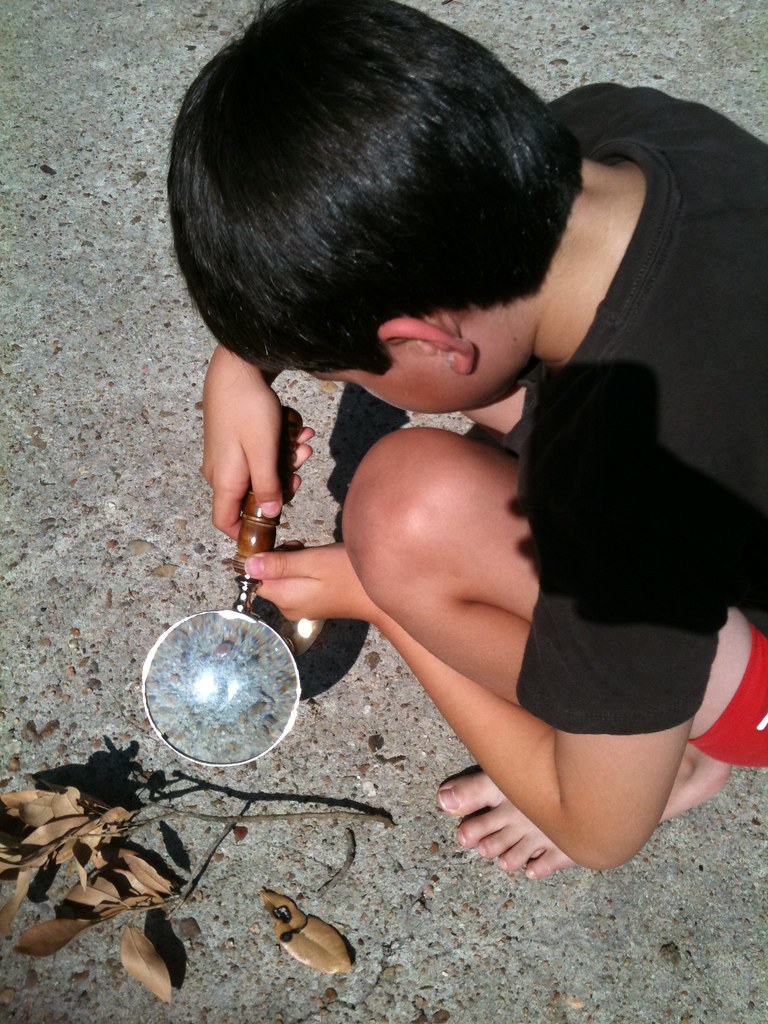
What is Citizen Science?
Citizen science refers to the involvement of non-professional scientists in scientific research, utilizing their skills, observations, and passion to aid professional scientists in various fields. This collaboration not only broadens the scope of research but also enhances public understanding of scientific processes.
Key Components of Citizen Science
- Engagement: Motivating community members to participate actively in scientific projects.
- Collaboration: Providing a platform for professional scientists and amateurs to work together.
- Data Collection: Enabling citizens to gather and contribute data, often through mobile applications or online platforms.
- Education: Helping participants learn scientific methods, data analysis, and critical thinking skills.
Current Trends in Citizen Science
In 2026, several trends have emerged, reflecting the growth and evolution of citizen science. Here are some of the most notable:
1. Technological Advancements
Smartphones and the availability of user-friendly apps have made it easier for individuals to engage in scientific data collection. From birdwatching apps that help track avian migration patterns to platforms that allow individuals to report environmental changes, technology serves as a crucial tool for citizen scientists.
2. Increased Focus on Environmental Issues
With climate change and biodiversity loss becoming urgent global challenges, citizen science is increasingly directed towards environmental monitoring. Projects like the National Phenology Network allow citizens to track plant and animal life cycles, contributing to a deeper understanding of ecological changes.
3. Collaborative Research Networks
Organizations are forming networks that connect citizen scientists with professional researchers. These collaborations enhance the credibility and impact of citizen science initiatives, leading to larger-scale projects that yield significant scientific findings.
Benefits of Citizen Science
The impact of citizen science extends far beyond the immediate research goals. Here are some key benefits:
Engagement in Science
By participating in scientific research, individuals become more engaged with scientific processes and discoveries, fostering a culture of curiosity and inquiry.
Data Diversity
Citizen scientists often come from various backgrounds, providing unique perspectives and diverse datasets that enrich research outcomes.
Community Empowerment
Citizen science promotes local stewardship and activism. Communities engaged in citizen science projects often take increased ownership of their local environments.
Challenges Facing Citizen Science
While citizen science has much to offer, it is not without challenges:
Quality Control
Ensuring the accuracy and reliability of data collected by citizen scientists can be a concern. Implementing training and validation processes is crucial for maintaining data integrity.
Funding and Resources
Many citizen science projects rely on public funding or volunteers, which can limit their scope and sustainability. Securing consistent support is essential for ongoing success.
Public Perception
Some skepticism regarding the validity of data gathered by non-professionals can hinder citizen science acceptance. Education and awareness campaigns can help alleviate these concerns.
Case Studies in Citizen Science
Project Budburst
One prominent citizen science initiative, Project Budburst, encourages people to observe and report on the timing of plant flowering and leafing. This data is invaluable for understanding climate change impacts on ecosystems.
Zooniverse
Zooniverse is a platform that allows volunteers to participate in various research projects ranging from galaxy classification to wildlife monitoring. This collaboration has led to meaningful scientific contributions across multiple disciplines.
The Future of Citizen Science
As we move forward, the future of citizen science looks promising. Here’s what we can anticipate:
Integration with Educational Institutions
More schools and universities are likely to integrate citizen science projects into their curricula, promoting experiential learning and fostering scientific literacy among students.
Global Collaboration
Citizen science initiatives will increasingly connect individuals across borders, allowing for collaborative research on global issues such as climate change and health.
Conclusion
Citizen science embodies the spirit of inquiry and collaboration that is vital for scientific progress. As communities continue to engage in research, we will witness a transformation in our understanding of science and its applications. By fostering a culture of inclusivity and participation, citizen science not only empowers individuals but also strengthens the fabric of scientific discovery for future generations.