Introduction
In an age where technology and scientific advancements often dominate our conversations, the intersection of science and art presents a unique perspective on innovation. This synergy can lead to groundbreaking ideas, stimulating not just the intellect but also the imagination. As we delve into the relationship between these two fields, we will explore how they complement each other and foster creativity in 2026 and beyond.
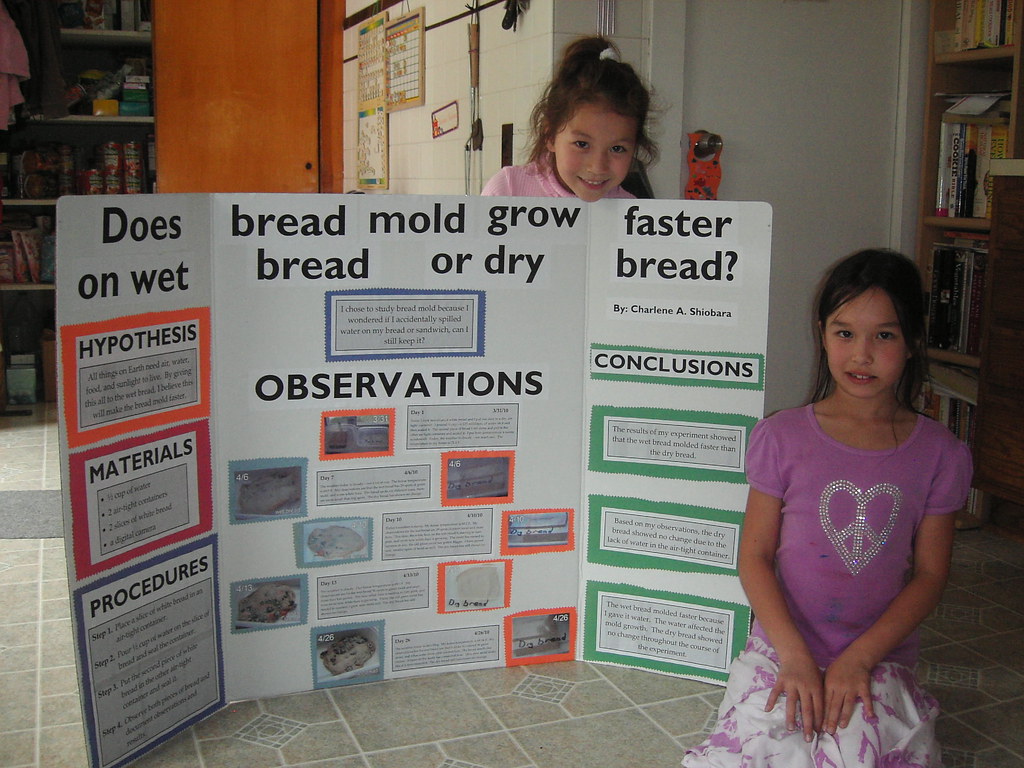
The Creative Process in Science
Science often requires creativity at its core, from hypothesis formulation to experimental design. Here are a few ways in which creative thinking enhances scientific inquiry:
- Problem-solving: Scientists frequently encounter unexpected challenges in their research. Thinking outside the box enables them to devise innovative solutions.
- Interdisciplinary Collaboration: When scientists collaborate with artists, they blend perspectives and skills, leading to unique problem-solving strategies.
- Visualization: Artists can help scientists visualize complex concepts, making them more accessible and engaging to a broader audience.
Art as a Medium for Scientific Communication
Effective communication of scientific ideas is crucial for public understanding and support. Here’s how art plays a pivotal role:
- Infographics and Illustrations: Visual representations of data make complex information easier to digest, which is essential in an age of information overload.
- Documentary Filmmaking: Documentaries can humanize scientific endeavors, making abstract concepts relatable and inspiring a sense of wonder.
- Public Installations: Art installations that incorporate scientific themes can capture public interest and provoke discussions about important issues like climate change and health.
Case Studies in Science-Art Collaboration
A number of innovative partnerships between scientists and artists are emerging in 2026:
1. The Living Architecture Project
This initiative combines biology and architecture, aiming to create buildings that incorporate living organisms and self-sustaining systems. Artists and scientists collaborate to design structures that not only serve practical purposes but also contribute to ecological balance.
2. The New York Medical College’s Art and Science Program
In this program, medical students engage with artists to learn how to observe and understand human anatomy and emotions. This approach enhances their diagnostic skills by fostering a deeper appreciation of the human experience. Also read: ajo89 for more insights.
3. BioArt: Living Artworks
BioArt is a field where living organisms are used as a medium. Artists like Eduardo Kac have created pieces that generate dialogues on ethics, biotechnology, and the nature of life itself.
The Benefits of Integrating Art into Scientific Education
Incorporating art into science education can yield numerous benefits:
- Enhanced Engagement: Students are often more engaged in learning when they can express their understanding creatively.
- Improved Retention: Integrating artistic methods can aid memory retention by creating multisensory learning experiences.
- Critical Thinking Skills: Artistic practices require interpretation and analysis, skills that are transferable to scientific endeavors.
Challenges and Misconceptions
Despite the potential benefits, there are challenges that must be addressed:
- Perceived Value: Traditionally, science and art have been viewed as separate disciplines, which can lead to undervaluation of art’s contributions to science.
- Resource Allocation: Funding for interdisciplinary projects can be challenging to secure, as each field often operates within its own constraints.
- Curriculum Integration: Educational institutions may struggle to find ways to integrate art into science curricula effectively.
What Lies Ahead: The Future of Science and Art Collaboration
Looking forward, the collaboration between science and art is expected to deepen. Here are a few trends to watch for:
- Technological Advancements: Virtual and augmented reality technologies will further enhance the way art and science intersect, creating immersive learning experiences.
- Increased Public Engagement: As interest in science grows, so does the need for creative ways to engage the public in scientific discussions.
- Global Collaborations: As scientists and artists become more interconnected through global networks, new and diverse perspectives will emerge, allowing for richer collaborations.
Conclusion
The integration of science and art is not merely a trend; it represents a fundamental shift in how we approach knowledge and creativity. As we advance into 2026 and beyond, embracing this intersection will be crucial for fostering innovation, encouraging public interest in science, and enhancing education. The future may very well belong to those who can blend the analytical with the imaginative, creating a world enriched by both science and art.